Engineering continuity across generations of power electronics.
LTI combines more than five decades of power-electronics development, manufacturing, testing and field experience with the engineering discipline required for today's renewable infrastructure. The products and project scale have changed. The responsibility for performance has not.
Practical engineering knowledge built through products, production and operation.
LTI's engineering base was formed as an original equipment manufacturer. Hardware and software were developed together; products were manufactured and tested under defined quality processes; and technical teams remained accountable when equipment entered real operating environments.
That background creates a different engineering perspective. Components are not assessed only from data sheets. LTI considers how a system behaves under load, how interfaces respond to faults, how environmental conditions influence performance, how equipment can be maintained and how technical decisions affect the owner throughout the asset lifecycle.
"Engineering credibility comes from understanding not only how a system is designed, but how it is manufactured, tested, operated, diagnosed and supported."
From power electronics to complete infrastructure interfaces.
LTI's German team provides engineering and technical services wherever independent system understanding, product knowledge and lifecycle accountability are essential.
System & Solution Engineering
Electrical architecture, power conversion, control concepts, grid interfaces and integration of components into complete, operable systems.
Hardware, Firmware & Software
Application-specific development and adaptation across power stages, control electronics, embedded software, communication and supervisory functions.
Testing & Qualification
Functional, load, performance and fault testing supported by product knowledge and engineering judgement accumulated across generations.
Owner's Engineering & Due Diligence
Independent technical definition, design review, technology qualification, supplier assessment, risk analysis and protection of the owner's technical interests.
Repair & Lifecycle Support
Structured diagnosis, component-level repair, controlled reassembly, functional verification and support for installed LTI product generations.
Technology Integration
Translation of infrastructure requirements into qualified technologies, Bills of Materials, interface responsibilities and maintainable delivery concepts.
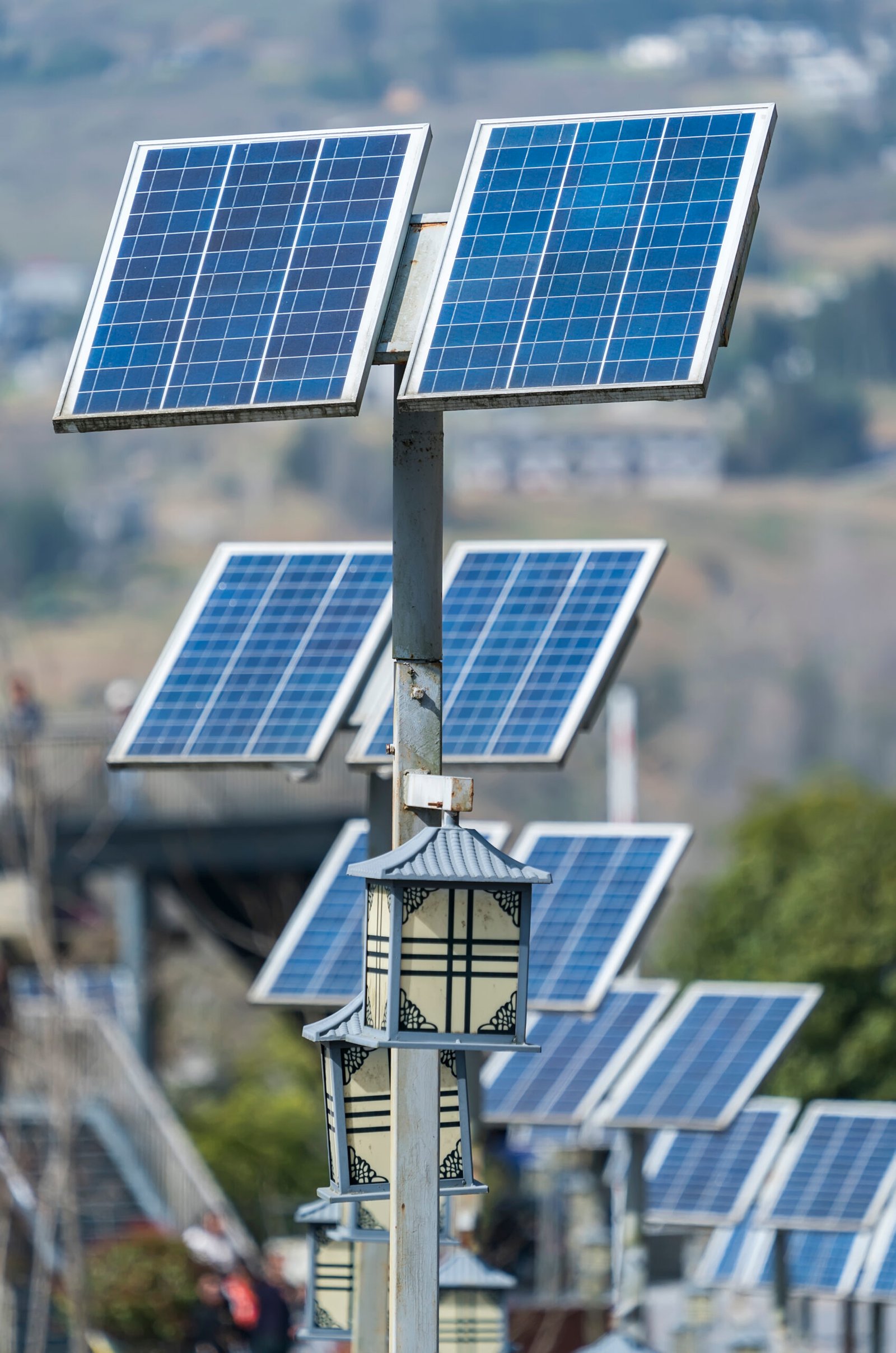
Support does not end when a product generation is replaced.
Tens of thousands of LTI products have been installed across renewable energy, wind power, industrial automation, machinery and electric mobility. Some have operated for one, two or even three decades. LTI continues to support this installed base with experienced engineers and technicians who understand the underlying hardware, software, operating behaviour and failure patterns.
Where technically and economically reasonable, equipment is diagnosed, repaired and tested to restore dependable operation. This service protects historical customer investments, reduces unnecessary replacement and demonstrates the lifecycle responsibility that LTI now carries into large renewable infrastructure projects.
Diagnosis before replacement. Verification before return.
Initial Assessment
Engineering Diagnosis
Component-Level Repair
Controlled Reassembly
Functional & Load Testing
Return Documentation
Innovation across applications. Knowledge retained across generations.
Testing capacity is valuable. Knowing what to test is decisive.
LTI combines physical testing capability with an accumulated understanding of power-electronics behaviour. Experienced technicians and engineers interpret measurements in the context of circuit design, control logic, thermal loading, ageing, application conditions and previous product generations.
This allows LTI to identify technical risks that may remain invisible in a compliance checklist and to define verification programmes that reflect the intended use of the equipment.
Average power-electronics experience across key technical personnel.
Hardware, software, manufacturing, testing and application understanding.
Design decisions assessed against operation, serviceability and long-term support.
The same discipline applied at a completely different scale.
LTI's international infrastructure projects may represent investments of several hundred million US dollars and integrate floating solar, BESS, hydropower, grids, water systems and productive demand. The technical foundation remains the ability to understand how equipment behaves, how interfaces interact and how performance can be verified.
The German engineering team supports project development with system architecture, technology qualification, industry and purchasing networks, technical due diligence, Owner's Engineering and lifecycle thinking. This is the practical bridge between LTI's industrial heritage and its current infrastructure-development model.
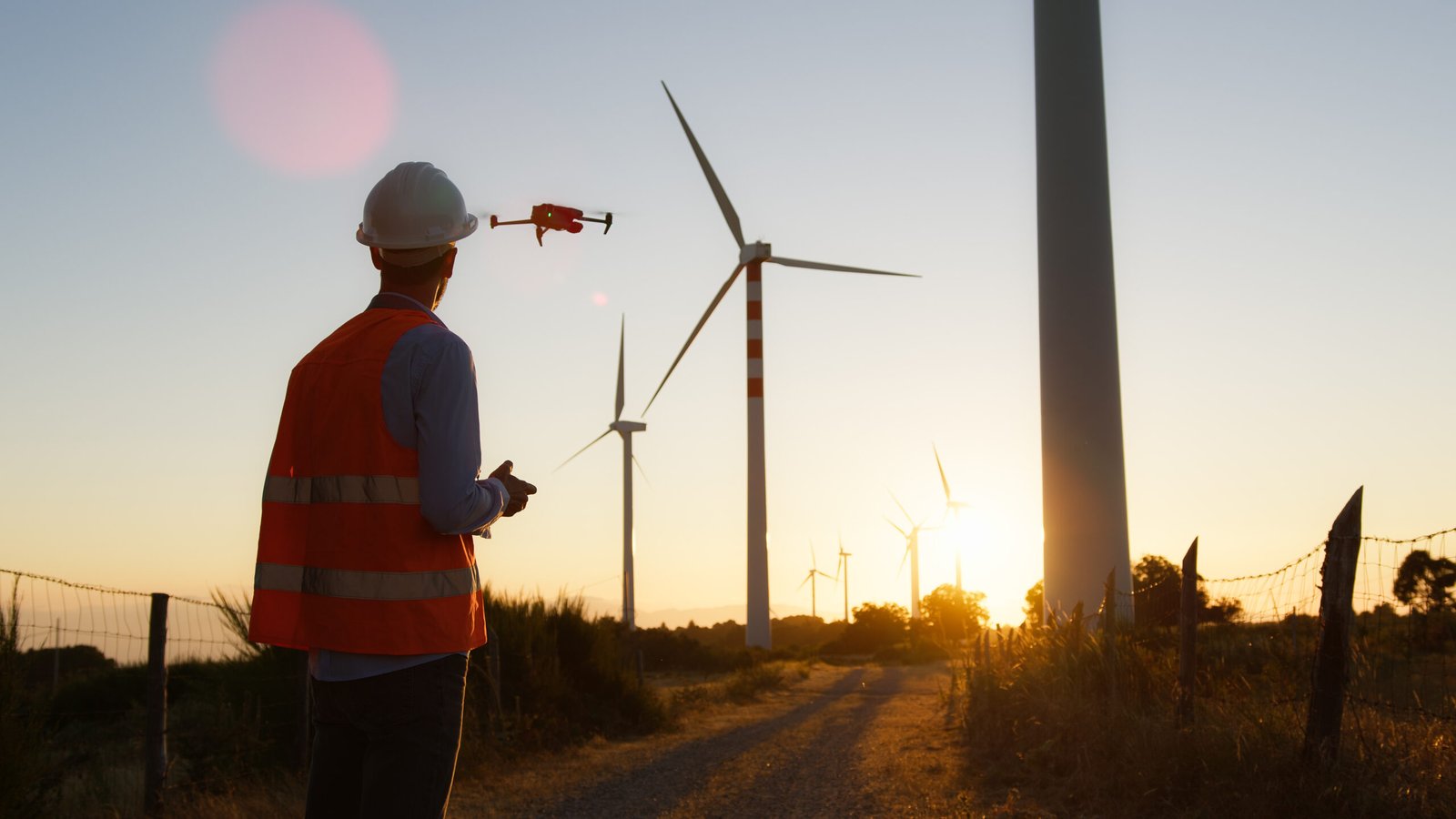
Bring us the technical challenge.
Whether the requirement concerns an installed LTI product, a power-electronics application, technology qualification or an integrated infrastructure system, LTI begins with the operating objective and the evidence required to protect performance.
Discuss an engineering requirement